The most likely outcome for 2026 is modest stabilization with a gradual return to positive growth in some markets, precisely because apartment rent growth slowed so significantly over the past two years. Nationally, apartment rents declined 0.7% in 2025, ending the year at $1,338 per month — following a 3.4% decline in 2024. That two-year adjustment reflects a market that has moved beyond the extreme volatility of the early 2020s toward more balanced and sustainable conditions.
This outlook for 2026 is based on comprehensive national and metro-level data that illustrate how rent momentum shifted over the past year, powered by Dwellsy IQ data for one-bedroom apartment rents at both the national level and across the top 20 U.S. MSAs. The findings come from the 2026 Rental Housing Index, produced using Dwellsy’s first-party rental dataset and analysis conducted by Jonas Bordo, CEO and cofounder of Dwellsy, together with Paul Briggs of Briggs Advisors.
Download the 2026 Rental Market Report
This article covers only part of the trends observed, as analyzed in the 2026 Rental Housing Index. Download the full report, reviewing rental market performance, for complete national and metro-level analysis across U.S. apartment markets.
What the -0.7% National Apartment Rent Decline Implies for 2026
The 0.7% national decline in apartment rents in 2025 reflects continued adjustment, but it masks substantial variation across markets. Some major metros recorded strong positive growth — including Atlanta (+5.8%), Minneapolis (+5.2%), Chicago (+4.4%), Detroit (+4.0%), and New York (+3.0%) — while others experienced meaningful declines, such as Denver (-6.9%), Dallas (-3.6%), and Phoenix (-3.5%).
The national figure therefore represents offsetting local trends rather than uniform weakness.
For 2026, overall rent growth will be influenced by these metro-level divergences as well as broader structural forces, including renter affordability constraints, construction activity, local vacancy levels, and broader economic conditions.
Factors That May Impact Apartment Rent Growth in 2026
1. Renter Affordability
Rent growth has slowed in part because renters are reaching financial limits. Even though incomes have increased, broader cost-of-living pressures have narrowed households’ capacity to absorb higher housing costs. This dynamic capped rent increases in 2024 and 2025 and is likely to continue restraining upward movement in 2026.
Any recovery in rent growth will therefore need to occur within affordability boundaries. Rapid acceleration similar to 2021–2022 appears unlikely under current conditions.
2. Construction and New Supply
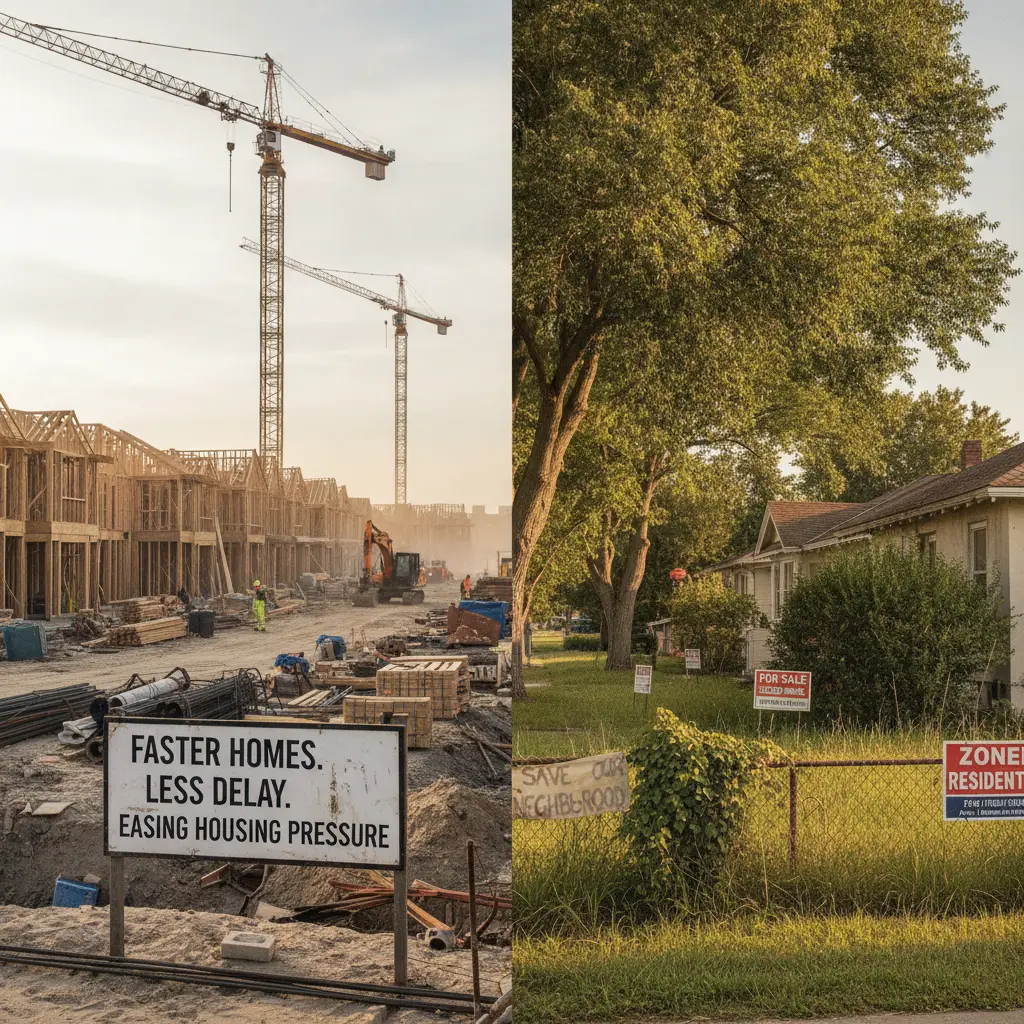
New supply has been the dominant force shaping apartment performance over the past two years. Construction deliveries that followed the post-pandemic building surge added significant inventory in many metros, increasing vacancy pressure and weakening pricing power.
That wave of development is now cresting. Construction activity is slowing in several markets, which may gradually reduce supply pressure in 2026. However, the timing and magnitude of that impact will vary by metro. Markets still absorbing large pipelines may see continued stabilization before experiencing growth.
3. Local Economic Conditions
Apartment rent performance in 2025 demonstrated that local fundamentals matter more than national averages. Cities with stronger job growth, favorable migration patterns, and tighter supply conditions rebounded into positive growth. Others with heavier construction pipelines or softer demand recorded sharper declines.
These local variables will remain decisive in 2026. Even if national rent growth turns positive, divergence across metros is likely to persist.
4. Adjustment After the 2022 Peak
Apartment rents reached a peak above $1,460 in mid-2022 before declining to $1,338 by the end of 2025. The past two years can be understood as a recalibration following an unusually rapid surge.
Viewed in that context, the recent declines represent normalization rather than structural deterioration. If supply and demand continue moving toward balance, 2026 may mark the beginning of a more typical, slower-growth cycle.
Download the 2026 Rental Market Report
This article covers only part of the trends observed, as analyzed in the 2026 Rental Housing Index. Download the full report, reviewing rental market performance, for complete national and metro-level analysis across U.S. apartment markets.
FAQ
Will apartment rents increase in 2026?
Most likely, yes. Modest growth is possible in several markets. While national rents declined 0.7% in 2025, slowing construction and improving supply absorption could support gradual recovery. Outcomes will vary by metro.
Why did apartment rents fall in 2024 and 2025?
Elevated construction deliveries increased vacancy levels, limiting landlords’ ability to raise rents. At the same time, affordability pressures constrained renter budgets, contributing to the two-year decline.
Are apartment rents still declining nationwide?
Yes. Nationally, rents declined 0.7% in 2025 following a 3.4% decline in 2024. However, several major metros returned to positive growth, underscoring uneven performance.
Could rents fall again in 2026?
Further declines are possible in markets where supply remains elevated. At the national level, however, the data suggest stabilization is more likely than another broad contraction.
How does new construction affect rent growth?
When large volumes of new units enter the market, vacancy pressure increases and rent growth slows. As construction activity moderates, supply conditions may gradually support improved pricing stability.