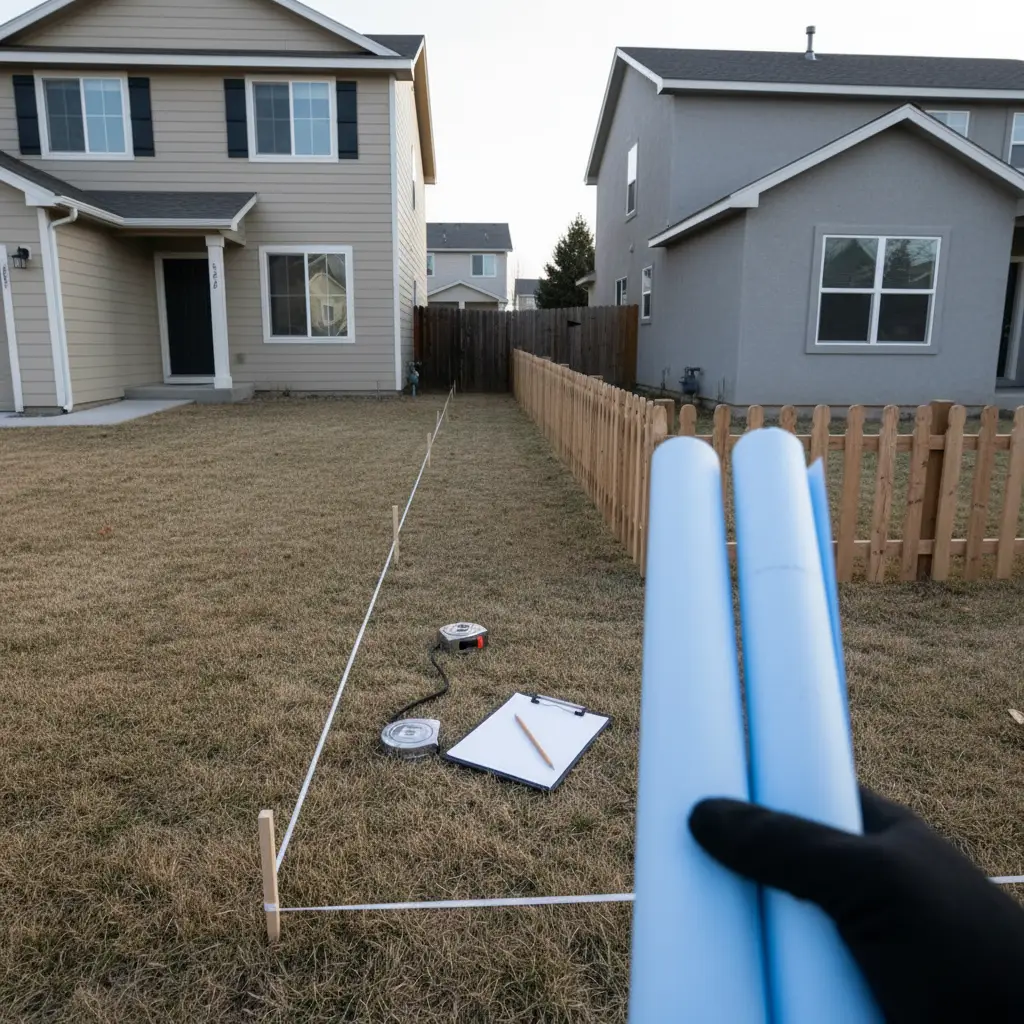
What Is Eminent Domain?
Eminent domain is the legal authority that allows federal, state, or local governments—and sometimes private entities acting on behalf of the public—to take private property for public use. In exchange, the owner must receive fair market value, known as "just compensation."
This power is rooted in the Fifth Amendment to the U.S. Constitution, which states that private property cannot be taken for public use without just compensation. State constitutions echo this principle, and statutes detail how the process unfolds.
Common examples include acquiring land for highways, schools, utilities, parks, or transit projects. While the government holds this power, property owners retain the right to challenge the taking in court—either on grounds of public use or the amount offered.
How Eminent Domain Works: The Step-by-Step Process
Understanding how eminent domain unfolds helps property owners prepare and protect their interests. Though timelines and procedures vary by jurisdiction, the general sequence follows a predictable pattern.
Public project identified and authority confirmed: A government agency or authorized entity determines that a specific property is needed for a public project. Legal authority to condemn must be established under state or federal law.
Property impacts studied: Engineers and planners assess whether the entire parcel or only a portion is required. Environmental and feasibility studies may also be conducted during this phase.
Appraisal and written offer: The condemning authority hires an appraiser to estimate the property's fair market value. The owner receives a formal written offer based on that appraisal.
Negotiation: Property owners can accept the offer, counter it, or request additional compensation for damages or relocation costs. Many cases settle during negotiation.
Condemnation lawsuit: If the parties cannot agree, the government files a lawsuit—often called a "condemnation action" or "eminent domain proceeding"—in court. A judge or jury determines just compensation.
Possession, payment, and closing: Once compensation is determined or deposited with the court, the government takes title and possession. The owner receives payment, and liens or mortgages are typically paid from the proceeds.
Public Use vs. Public Purpose: What Qualifies for Eminent Domain?
The phrase "public use" has evolved over time. Traditionally, it meant projects directly accessible to the public—roads, bridges, or government buildings. Modern interpretation broadens this to include "public purpose" or "public benefit."
In the landmark 2005 case Kelo v. City of New London, the U.S. Supreme Court ruled that economic development projects intended to create jobs and increase tax revenue could satisfy the public-use requirement, even if property was transferred to another private party. This decision sparked controversy and led many states to pass stricter laws limiting takings for private economic development.
Today, courts typically defer to the government's determination of public use, but owners can still challenge takings that appear to primarily benefit private interests. State constitutions and statutes may impose tighter restrictions than federal law.
Just Compensation: What You're Paid and How It's Calculated Under Eminent Domain
Just compensation is meant to make the property owner whole—to place them in the same financial position they would have been in had the taking not occurred. The standard measure is fair market value at the time of the taking.
Fair market value basics: This is the price a willing buyer would pay a willing seller in an arm's-length transaction, with both parties having reasonable knowledge of the facts and neither under compulsion to act.
Partial takings and severance damages: When only part of a property is taken, the owner may be entitled to damages for the reduction in value to the remaining land. For example, if a highway divides a parcel and restricts access, severance damages can compensate for that loss.
Benefits to remaining property: Some jurisdictions allow the condemning authority to offset compensation by the increase in value to the remaining land. If a new road improves access, that benefit may reduce the award.
Fixtures, site improvements, and specialty property issues: Buildings, landscaping, and infrastructure are included in the valuation. Specialty properties—such as churches or industrial facilities—may require unique appraisal methods, and relocation of operations can be a significant factor.
Condemnation vs. Eminent Domain: Key Differences
The terms "eminent domain" and "condemnation" are often used interchangeably, but they refer to different concepts within the same process.
Eminent domain is the constitutional power or authority to take private property. It is the legal right itself.
Condemnation is the legal procedure or lawsuit through which that power is exercised. When negotiations fail, the government files a condemnation action in court to determine compensation and complete the transfer.
In everyday conversation, people may say "my property was condemned," meaning the government initiated eminent domain proceedings. Technically, condemnation is the mechanism that makes eminent domain operational.
Partial Taking, Easements, and Right-of-Way: Common Eminent Domain Scenarios in Real Estate
Not every eminent domain action involves taking an entire property. Partial interests are common, especially in infrastructure projects.
Permanent easements: Utilities—such as electric, gas, or water lines—often acquire easements rather than fee-simple title. The owner retains title but grants the right to install and maintain infrastructure.
Temporary construction easements: These allow the government or contractor access during construction, after which the easement expires and the land is restored. Compensation is typically lower because the impact is short-term.
Right-of-way acquisitions: Highways and railroads frequently acquire strips of land as rights-of-way. The owner may lose direct access or face restrictions on how the remaining parcel can be used.
Access changes and curb cuts: Even without a physical taking, changes to access—such as closing a driveway or median—can reduce property value and may trigger claims for severance damages under eminent domain principles.
Property Owner Rights and Options Under Eminent Domain: What You Can Do
Property owners are not powerless in eminent domain proceedings. Several avenues exist to protect your interests and maximize compensation.
Review authority and project scope: Confirm that the condemning entity has lawful authority and that the taking is truly necessary. In some cases, the scope can be narrowed or alternative alignments considered.
Challenge public use: While rare, you can argue in court that the taking does not serve a legitimate public purpose, particularly if it appears to benefit a private party without clear public benefit.
Dispute valuation and request additional damages: Hire an independent appraiser to assess fair market value. If the government's offer is too low, you can present evidence of higher value or claim severance damages for partial takings.
Hire an appraiser or attorney and negotiate settlement: Experienced eminent domain attorneys and appraisers can identify issues the government may have overlooked—such as business losses, loss of access, or environmental contamination—and negotiate a settlement that reflects true value.
Relocation Assistance and Business Impacts Under Eminent Domain: Residential and Commercial Considerations
Federal and state laws often require relocation assistance for displaced occupants, whether residential or commercial. These benefits extend beyond just compensation for the property itself.
Moving expenses and replacement housing concepts: Residential occupants may be entitled to reimbursement for moving costs and, in some cases, payments to help secure comparable replacement housing. These benefits apply to both owners and qualifying tenants.
Loss of business goodwill and going-concern considerations: In some jurisdictions, business owners can claim compensation for lost goodwill, the cost of re-establishing operations, or lost profits during relocation. Rules vary widely, and many states do not recognize goodwill as compensable under eminent domain.
Leasehold interests: tenants vs. landlords: Tenants with long-term leases may have compensable interests if the lease terms are favorable compared to market rates. Landlords receive compensation for the fee interest, while tenants may separately claim moving expenses and lease-value loss.
Examples of Eminent Domain in Real Estate: Simple Illustrations
Highway widening: A state transportation agency needs 20 feet along the front of a commercial lot to expand a roadway. The owner receives payment for the land taken plus severance damages because the building now sits closer to traffic and lost parking spaces reduce the property's value.
Utility easement: A city acquires a 15-foot-wide permanent easement across the back of a residential lot to install a water main. The homeowner keeps title but cannot build structures over the easement. Compensation reflects the reduction in usable land and any impact on future development.
School construction: A school district condemns an entire single-family home to build a new elementary school. The owner receives fair market value based on comparable sales, plus relocation assistance and moving expenses.
Transit-oriented development: A redevelopment agency takes several parcels in a blighted area to assemble land for a mixed-use project adjacent to a new transit station. State law permits eminent domain for economic development if certain blight findings are made.
Eminent Domain FAQs: Quick Answers
Can you refuse to sell under eminent domain?
You can negotiate and challenge the compensation amount in court, but you cannot ultimately block a lawful taking if the government proves public use and deposits just compensation.
How long does the eminent domain process take?
Timelines vary widely. Simple right-of-way acquisitions may settle in months, while contested condemnation lawsuits can take several years, especially if appeals are filed.
Who pays attorney fees in eminent domain cases?
In many states, property owners can recover reasonable attorney fees and appraisal costs if they achieve a result better than the government's initial offer. Rules differ by jurisdiction.
What happens to mortgages and liens under eminent domain?
Compensation is used to pay off mortgages, property taxes, and other liens in order of priority. The owner receives any remaining funds after these obligations are satisfied.
Is inverse condemnation the same as eminent domain?
Inverse condemnation is a claim brought by the property owner, alleging the government has effectively taken or damaged property without initiating formal eminent domain proceedings—such as through flooding, access denial, or regulatory actions. It is the "reverse" of a typical condemnation lawsuit.
Related Terms to Eminent Domain: Grouped Concepts
Takings and claims: regulatory taking, inverse condemnation, nuisance, police power
Valuation terms: fair market value, highest and best use, severance damages
Property interests: easement, right-of-way, leasehold interest
Process terms: condemnation action, declaration of taking, settlement agreement