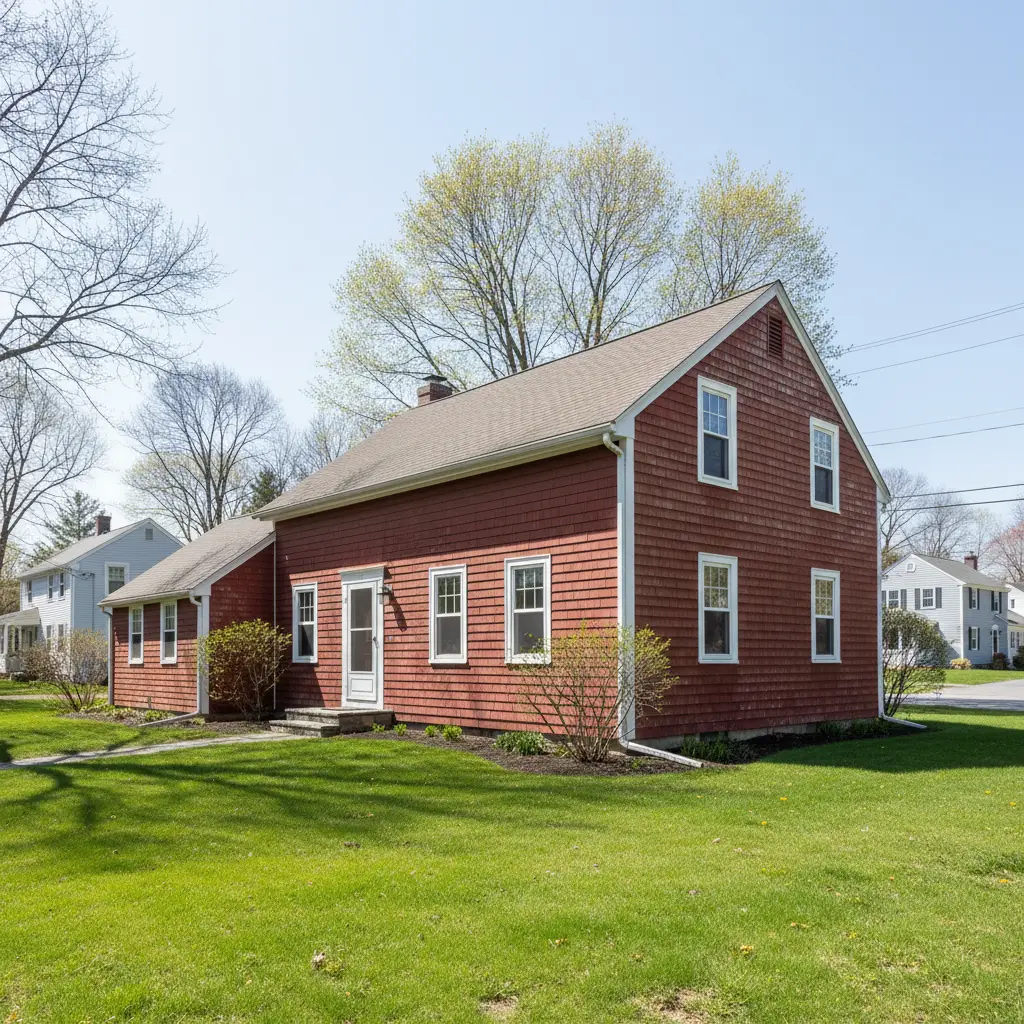
What Is Inclusionary Zoning?
Inclusionary zoning is a local land-use policy that requires or encourages developers to include a designated share of affordable housing units within otherwise market-rate residential projects. Cities and counties use these programs to generate affordable housing supply without relying entirely on direct public subsidies — instead embedding the obligation in the development process itself. For investors and developers, the practical question is how local rules affect unit mix, pricing assumptions, entitlement timelines, and project returns.
How Inclusionary Zoning Works in Practice
Set-Aside Requirements, Income Limits, and Affordability Periods
Most inclusionary zoning programs define three core variables: the share of units that must be affordable, who qualifies as an income-eligible resident, and how long those affordability restrictions must remain in place.
Set-aside requirements typically range from 10% to 20% of total units, though some jurisdictions set thresholds above or below that range.
Income limits are usually expressed as a percentage of Area Median Income (AMI). Common targets include households earning 50%, 60%, 80%, or 120% AMI — depending on whether the program targets very low-, low-, or moderate-income residents.
Affordability periods define the duration of price or rent restrictions. These can range from 15 to 30 years to permanent restrictions, depending on local policy.
Mandatory vs. Voluntary Programs
Programs fall into two broad categories. Mandatory programs require compliance for any project that meets the applicable threshold — developers cannot opt out without triggering the requirement.
Voluntary programs, by contrast, offer incentives such as density bonuses or expedited permitting in exchange for providing affordable units, with participation left to the developer’s discretion.
In practice, many jurisdictions blend both approaches. A program may be mandatory for projects above a certain size while offering additional incentives for exceeding the minimum requirement.
Developer Incentives and Compliance Options
Density Bonuses, Tax Abatements, Parking Reductions, and Expedited Approvals
To offset the cost of providing below-market units, many jurisdictions attach financial and regulatory incentives to inclusionary compliance.
Density bonuses allow developers to build more units than base zoning would otherwise permit. California’s Density Bonus Law, for example, ties bonus unit allowances directly to the percentage of affordable units provided.
Tax abatements reduce property tax obligations for a defined period, improving project-level cash flow on developments that include affordable components.
Parking reductions lower the required number of on-site parking spaces, which can reduce construction costs — particularly where structured or underground parking would otherwise be required.
Expedited approvals shorten the entitlement timeline, reducing holding costs and execution risk. The value of this incentive depends on the length of a typical approval process in the local market.
In-Lieu Fees, Off-Site Units, and Other Alternatives
Not all programs require affordable units to be built within the project itself. Many jurisdictions allow alternative compliance paths that give developers greater flexibility.
In-lieu fees allow developers to pay into a local housing fund instead of building affordable units on-site. Fee amounts vary significantly by market and are often calculated per square foot or per unit.
Off-site units permit a developer to satisfy the requirement by building or rehabilitating affordable units at a separate location. Some programs require those off-site units to remain within the same neighborhood or census tract.
Other compliance paths may include land dedication, preservation of existing affordable housing, or other locally approved mechanisms. Availability depends entirely on the rules of the local program.
Benefits, Criticisms, and Market Tradeoffs
Inclusionary zoning can generate below-market units within market-rate developments, creating mixed-income communities without direct public expenditure at the unit level.
However, the policy draws consistent criticism from housing economists and development industry stakeholders. The core concern is that inclusionary requirements effectively function as a cost imposed on new construction. If that cost exceeds available incentives, developers may reduce supply — by building fewer units, pursuing smaller projects, or avoiding certain submarkets.
Research on the effects of inclusionary zoning is mixed. Studies in markets such as San Francisco and the Washington, D.C. metro area have found that inclusionary requirements reduced overall housing production under certain conditions. Other research in high-demand markets found more limited effects on supply.
Program design is a significant factor. Higher set-aside requirements with limited offsets increase feasibility risk, particularly in lower-margin markets. Well-calibrated density bonuses, flexible compliance paths, and appropriately priced in-lieu fees reduce that friction.
City Examples and What Investors Should Check Before Underwriting
San Francisco
San Francisco requires 20% to 22% affordable units on-site for most new residential projects. Income targets are typically set at 55% to 120% AMI. In-lieu fees and off-site options are available in some cases.
New York City
New York City operates a Mandatory Inclusionary Housing (MIH) program tied primarily to zoning actions. When a developer receives a rezoning benefit, affordability requirements are triggered. Set-asides range from 20% to 30%, with income targets varying by program option.
Denver
Denver adopted a mandatory inclusionary ordinance in 2022 requiring 8% to 15% affordable units in new residential projects of ten units or more, with in-lieu fee and off-site compliance options available.
Austin
Austin has historically relied on voluntary density bonus programs, though its policy framework continues to evolve in response to housing supply constraints.
What to Confirm Before Underwriting
Underwriting a project without accounting for the local inclusionary framework introduces uncertainty into unit mix, revenue assumptions, entitlement timelines, and land pricing. Before underwriting any deal subject to inclusionary requirements, investors should confirm:
- The applicable set-aside percentage and income targets for the specific project type and size
- Available incentives and whether density bonuses or fee reductions materially affect project economics
- Compliance path options — on-site, in-lieu fee, off-site, or other alternatives
- Affordability period length and any resale or re-rental restrictions that affect exit assumptions
- State-law preemption rules, since some states limit how cities can structure inclusionary programs
- Recent policy changes, as programs in high-demand markets are frequently updated
FAQ
What is inclusionary zoning in real estate?
Inclusionary zoning is a local land-use policy that requires or encourages developers to include a share of affordable homes in otherwise market-rate residential projects.
How does inclusionary zoning work?
Programs typically set an affordable housing requirement, often as a percentage of units, and define who qualifies based on income limits, rent or price caps, and how long affordability must last. Developers may receive offsets such as density bonuses or expedited approvals.
Is inclusionary zoning mandatory or voluntary?
It can be either. Some cities require compliance for eligible projects, while others offer incentives if developers choose to provide affordable units.
What are common alternatives to building affordable units on-site?
Depending on local rules, developers may be allowed to pay an in-lieu fee, build units off-site, preserve existing affordable housing, or use another approved compliance path.
Why does inclusionary zoning matter to investors and developers?
It can materially affect project feasibility, unit mix, pricing assumptions, permitting strategy, and land value. Investors should review local set-asides, incentives, and state-law constraints before underwriting a deal.
Does inclusionary zoning increase housing affordability?
It can create below-market units and support mixed-income communities, but results vary by market strength, policy design, subsidy availability, and whether the rules discourage new development.