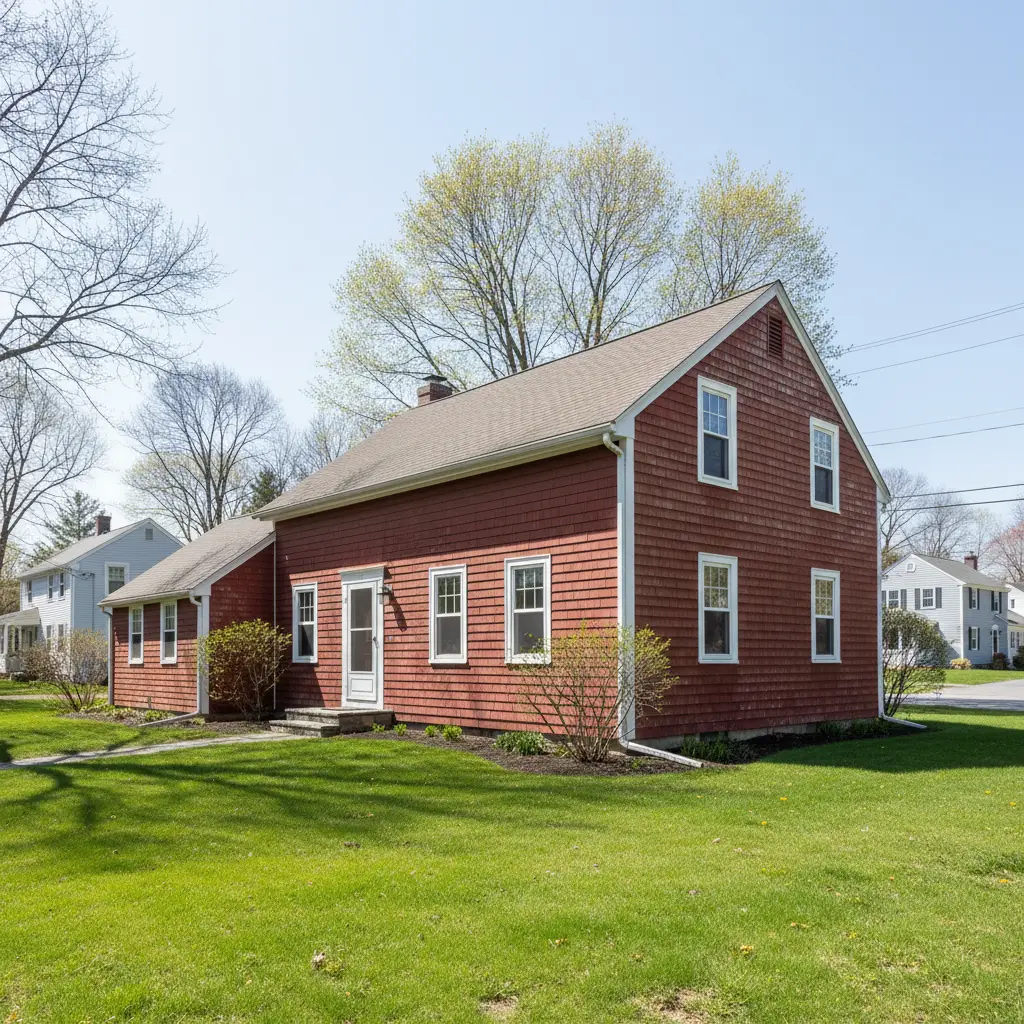
The most likely outcome for 2026 is modest growth, precisely because rent growth slowed so significantly in 2025. Nationally, rents for houses increased just 0.3%, ending the year at $1,892 per month — a sharp deceleration from the more than 30% surge recorded between early 2021 and mid-2022. That slowdown reflects a market that has achieved a more material balance after the extreme volatility earlier in the decade, with patterns that are more stable and sustainable than in prior years.
This outlook for 2026 is based on comprehensive national and metro-level data that illustrate how rent momentum shifted over the past year, powered by Dwellsy IQ data for three-bedroom houses at both the national level and across the top 20 U.S. MSAs. The findings come from the 2026 Rental Housing Index, produced using Dwellsy’s first-party rental dataset and analysis conducted by Jonas Bordo, CEO and cofounder of Dwellsy, together with Paul Briggs of Briggs Advisors.
Download the 2026 Rental Market Report
This article covers only part of the trends observed, as analyzed in the 2026 Rental Housing Index. Download the full report, reviewing rental market performance, for complete national and metro-level analysis across U.S. apartment markets.
What the 0.3% National House Rent Growth Implies for 2026
The 0.3% national increase in house rents in 2025 reflects stabilization, but it masks meaningful variation across markets. Some major metros recorded rent growth that exceeded the national figure, such as Chicago, New York, and Washington, D.C., while a smaller group — including Denver, Boston, and Phoenix — recorded declines. The national figure therefore reflects offsetting local trends rather than uniform conditions.
For 2026, overall rent growth will be influenced by these local market divergence as well as broader structural forces, including ownership affordability, renter affordability constraints, construction activity, and policy efforts affecting institutional ownership and investment dynamics
Factors That May Impact House Rent Growth in 2026
1. Housing Affordability
High home prices and elevated mortgage rates continue to limit access to ownership, supporting demand for rental homes. These conditions are propping up demand for three-bedroom houses, even as overall rent growth has moderated.
At the same time, affordability challenges persist for renter households. Higher living costs and strained budgets have limited landlords’ ability to push through inflationary rent increases, contributing to the stabilization observed in 2024 and 2025.
Housing affordability has also become a central policy focus. Legislative efforts such as the Housing for the 21st Century Act aim to address supply shortages and rising development costs, reflecting broader concerns about long-term housing availability. While the ultimate impact of such measures remains uncertain, changes to housing supply conditions could influence rent dynamics over time.
Taken together, constrained access to ownership, affordability pressures on renters, and evolving supply policies support a stabilization environment rather than conditions conducive to rapid rent acceleration.
2. Construction and New Supply
Decreasing construction activity in some markets is beginning to have a positive effect on conditions and may gradually reduce supply pressure. Fewer new homes entering the rental pool can strengthen pricing conditions, particularly in markets where demand remains firm.
However, supply dynamics vary widely across metros. Ongoing new construction deliveries in certain metros continue to prevent landlords from pushing rents higher. Where supply is constrained, modest growth becomes more likely. Where inventory remains elevated, rents may stabilize before increasing.
3. Local Economic Conditions
National averages mask significant metro-level variation.
In 2025, some markets recorded strong rent growth, such as Chicago, New York, and Washington, D.C., while others experienced declines, including Denver, Boston, and Phoenix. These differences reflect local market conditions, including variations in local job growth, migration trends, housing costs, and new construction pipelines all influence performance.
These local factors are likely to remain decisive in 2026. Even if national rents edge upward, individual metros may diverge significantly based on their economic and supply conditions.
4. Policy and Investment Dynamics
Recent efforts by the Trump administration to curb institutional ownership introduce additional uncertainty regarding future inventory and investment activity in this segment. While smaller investors remain dominant in the housing market, shifts in investment activity or regulatory frameworks could influence inventory levels in certain regions.
The impact of these changes will likely be localized rather than national, contributing further to metro-level variation.
Download the 2026 Rental Market Report
This article covers only part of the trends observed, as analyzed in the 2026 Rental Housing Index. Download the full report, reviewing rental market performance, for complete national and metro-level analysis across U.S. apartment markets.
FAQ
Will house rents go up in 2026?
Most likely, yes — modestly. Based on recent trends, modest growth appears more consistent with current conditions than a return to rapid increases. National house rents rose 0.3% in 2025, reflecting stabilization after the sharp increases earlier in the decade.
Why did house rent growth slow in 2025?
Growth slowed due to affordability constraints and market rebalancing. After rents surged more than 30% between 2021 and mid-2022, higher living costs and strained household budgets limited landlords’ ability to push through inflationary rent increases.
Are house rents declining nationwide?
No. National house rents increased 0.3% in 2025. However, performance varied by metro. Cities such as Chicago and New York recorded stronger growth, while Denver and Boston experienced declines. The national figure reflects these offsetting local trends.
Could house rents fall again in 2026?
Most unlikely. At the national level, recent data reflects stabilization rather than broad contraction. However, individual markets may experience softness depending on local supply conditions and economic trends.
How does housing affordability affect house rent growth?
High home prices and elevated mortgage rates continue to support demand for rental homes. At the same time, strained renter budgets limit landlords’ ability to implement large rent increases. Together, these forces contribute to stabilization.
Will new housing construction lower house rents?
It depends on the market. Ongoing new deliveries have limited rent growth in some metros, while decreasing construction activity in others may gradually reduce supply pressure.
How do policy changes impact house rents?
Efforts to curb institutional ownership and broader housing policy proposals could influence housing supply and investment activity in certain markets. The effects are expected to vary locally rather than drive uniform national outcomes.