Utility costs represent one of the largest variable expenses in multi-family real estate, and how those costs get distributed can directly shape a property’s bottom line. The Ratio Utility Billing System, commonly known as RUBS, offers owners a way to recover utility expenses without installing individual meters in every unit. Below, we break down how RUBS works, why it matters to investors, and what questions you should ask before relying on it.
RUBS Utility Billing System Overview
What is a RUBS utility billing system?
A RUBS utility billing system is a method for allocating shared utility costs among residents based on measurable factors rather than direct metering. Instead of installing a separate meter for each unit, the property measures total utility consumption at the master meter and then distributes the cost across residents using a formula.
Owners typically apply RUBS to water, sewer, trash, gas, and sometimes common-area electricity. Because it avoids the capital expense of submetering, RUBS is often used in older buildings where retrofitting individual meters would be costly or impractical.
How RUBS utility billing is calculated
RUBS allocates costs using proxies that estimate each unit’s share of consumption. Common factors include unit square footage, number of occupants, number of bedrooms, or a combination of these.
A simplified allocation can be expressed as follows:
Resident Charge = Total Utility Cost × (Unit Factor ÷ Sum of All Unit Factors)
For example, if a property’s monthly water bill is $5,000 and a unit represents 2% of the total weighted factors, that resident would be billed $100. Many operators also combine factors, such as occupancy plus square footage, to improve fairness and reflect real usage patterns more closely.
RUBS Utility Billing for Real Estate Investors
How RUBS impacts operating expenses and cash flow
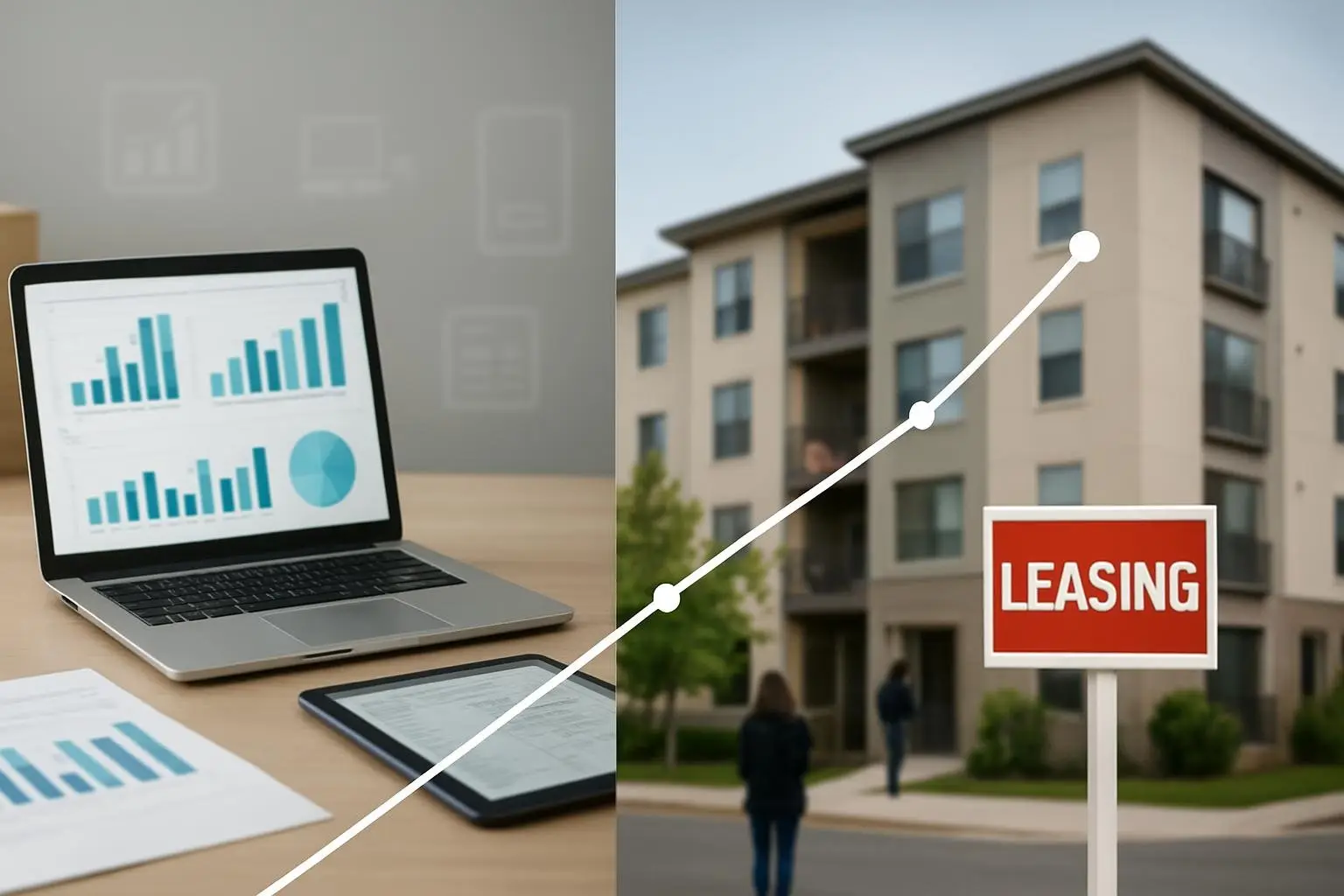
For investors, RUBS shifts recoverable utility costs from the owner to residents, which reduces net operating expenses. As a result, more of the utility burden is offset, and net operating income (NOI) can improve.
Because NOI drives valuation, even modest expense recovery can influence a property’s appraised value. Additionally, RUBS introduces a recurring revenue line that tends to track inflation in utility rates, helping protect margins over time.
That said, recovery is rarely 100%. Vacancy, common-area usage, and billing caps all reduce the amount an owner can pass through, so investors should model realistic recovery rates rather than assuming full cost offset.
RUBS utility billing accuracy and audit readiness
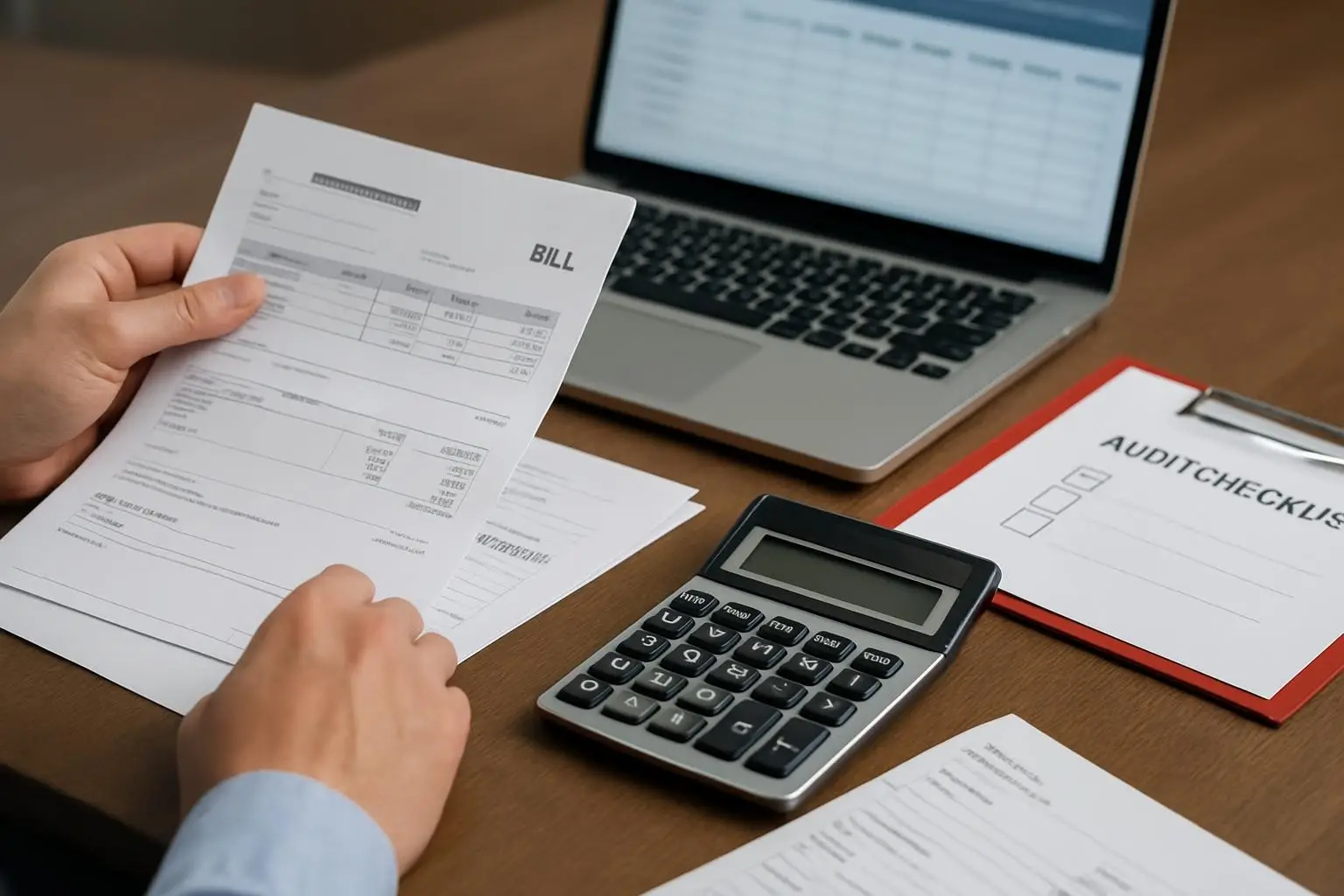
Accuracy depends on clean inputs: current occupancy counts, correct square footage, and reconciled master-meter bills. When these inputs drift out of date, allocations can become inaccurate and disputes may rise.
Audit readiness matters because several jurisdictions regulate how utilities can be billed back to residents. Maintaining documented formulas, retained invoices, and a transparent calculation trail supports compliance reviews and resident inquiries alike. For investors conducting due diligence, requesting billing records and reconciliation reports is a practical way to verify how a property’s RUBS program is managed.
FAQ About RUBS Utility Billing System
How does a RUBS utility billing system handle resident billing?
Typically, the master-meter invoice arrives, the system applies the allocation formula, and each resident receives a charge on their monthly statement. The charge may appear as a separate line item or be bundled with rent, depending on local rules and lease terms.
Many operators use third-party billing providers to automate calculations, generate statements, and manage collections, which reduces manual effort and standardizes the process.
What data and metering are required for RUBS utility billing?
Unlike submetering, RUBS does not require individual unit meters. Instead, it relies on master-meter readings combined with unit-level data such as occupancy, square footage, and bedroom count.
Accurate resident records are essential, since occupancy changes directly affect allocations. Consequently, properties using occupancy-based factors need a reliable process for updating move-ins and move-outs.
Is RUBS utility billing compliant and reliable for multi-family properties?
Compliance varies by state and municipality. Some jurisdictions permit RUBS broadly, while others restrict it, cap administrative fees, or require specific disclosures in the lease.
For reliability, RUBS works well in buildings where submetering is impractical, provided the allocation method is transparent and consistently applied. Before adopting or acquiring a property with RUBS, investors should confirm local regulations and review how charges are disclosed to residents.
How can investors evaluate RUBS billing performance over time?
Investors can track several metrics to assess performance. Recovery rate, which compares billed amounts to total utility costs, shows how much of the expense is being offset. Trend data on utility costs versus recovered revenue reveals whether margins are holding steady.
Additionally, monitoring dispute frequency and billing adjustments helps gauge accuracy and resident satisfaction. Reviewing these figures across multiple billing cycles gives a clearer picture of how consistently a RUBS program is performing and whether the underlying data remains accurate.