Buying a home means evaluating what you can see—and what you can’t. A sewer scope inspection falls squarely into that second category, giving you a direct look inside one of the most expensive systems to repair after closing. For investors and homebuyers alike, it’s a small step that can prevent a major financial surprise.
Below, we break down what a sewer scope inspection shows, why it matters, and how to use the results to make a smarter purchasing decision.
What is a sewer scope inspection, and which part of the line gets inspected?
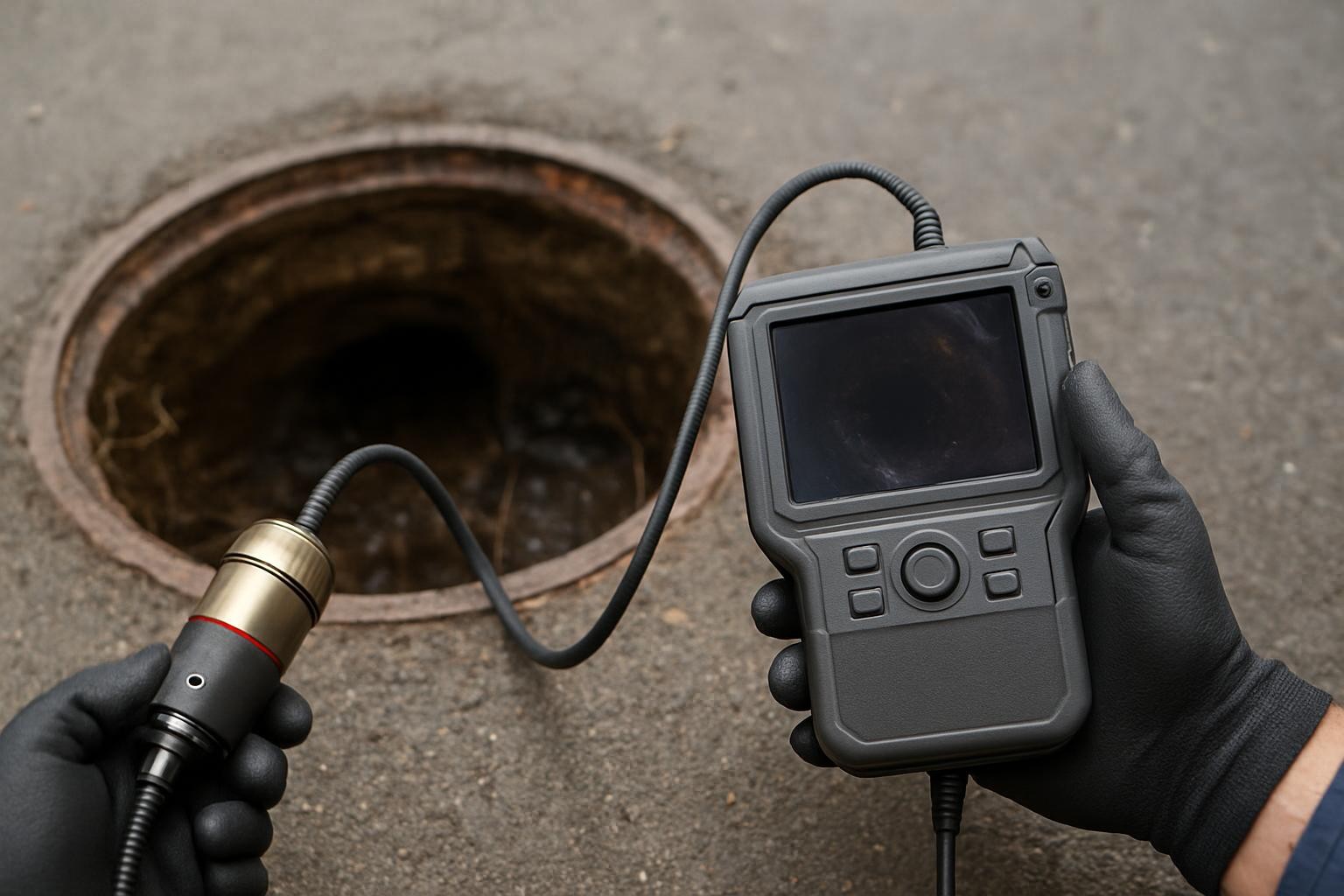
A sewer scope inspection uses a specialized camera to examine the inside of a property’s sewer line. Rather than guessing at the condition of buried pipe, you get real footage of what’s actually happening underground.
Sewer camera basics: the lateral line from the home to the city/HOA tap or septic connection
The portion being inspected is the lateral line—the pipe that carries waste from the home to the municipal main, the HOA tap, or the septic connection. This segment is typically the homeowner’s responsibility, which is exactly why it matters so much.
During the inspection, a flexible camera travels through this line, capturing its interior condition from the home’s cleanout to the connection point. As a result, you see the full path where problems commonly develop.
How sewer scope inspection compares to a standard home inspection and routine drain checks
A standard home inspection covers visible systems and surfaces, but it rarely includes the buried sewer line. Likewise, routine drain checks focus on clearing clogs rather than documenting the pipe’s overall condition.
In contrast, a sewer scope inspection looks specifically at the interior structure of the lateral line. Therefore, it fills a gap that general inspections and quick drain services leave open.
What problems can a sewer camera reveal?
A sewer camera turns an invisible pipe into a visible record. Consequently, it can surface several issues that would otherwise go undetected until they fail.
Clogs and blockages
The camera can show buildup, debris, and obstructions inside the line. Moreover, it helps distinguish a simple clog from a deeper structural problem.
Cracks, breaks, and leaking joints
Footage can reveal cracks, breaks, and separated or leaking joints along the pipe. These defects often allow water to escape or groundwater to enter, which accelerates further damage.
Tree-root intrusion
Roots frequently find their way into older or compromised pipes. On camera, you can see where roots have entered and how much of the line they affect.
Pipe deterioration, corrosion, and collapses
Over time, pipes can corrode, degrade, or collapse entirely. A scope inspection documents this deterioration so you understand whether a repair or full replacement may be necessary.
Why do investors and homebuyers get a sewer scope before closing?
Timing matters. Scoping the line before closing gives you leverage and information while you still have options at the negotiating table.
Risk reduction: avoid hidden sewer repair costs after purchase
Sewer line repairs and replacements can be costly, and they often arrive without warning. By inspecting the line beforehand, you reduce the risk of inheriting a hidden problem that becomes your expense after the sale.
Decision support: negotiations, repair requests, and contingency planning
A documented report supports clear decisions. For instance, you can request repairs, negotiate the price, or plan for future work based on the findings.
In addition, the footage provides evidence you can reference during contingency discussions. As a result, your decisions rest on data rather than assumptions.
When should you schedule a sewer scope inspection, even if symptoms seem minor?
Minor symptoms can signal larger underlying issues. Because of that, it’s often worth scoping the line early rather than waiting for a failure.
Backups, slow drains, odors, recurring issues, and prior cleanouts/repairs
Consider an inspection if you notice backups, slow drains, or persistent odors. Similarly, recurring plumbing problems or a history of prior cleanouts and repairs are strong reasons to look inside the line.
Even when the signs seem small, they may point to a developing problem. Therefore, scoping the line helps confirm whether the issue is cosmetic or structural.
What happens during a sewer scope inspection, and what do you receive?
The process is straightforward, and it produces documentation you can keep. Knowing what to expect helps you evaluate the results effectively.
Camera setup, full scan, footage review, and written/visual report
First, the technician inserts a camera into the sewer line, usually through an accessible cleanout. Next, the camera travels the length of the line to capture a full scan of its interior.
Afterward, the technician reviews the footage to identify problem areas and their likely causes. Finally, you typically receive a written or visual report, along with recorded footage you can reference later.
Sewer scope inspection cost vs. value: what are you really paying for?
The price of a sewer scope inspection is modest compared to the systems it evaluates. Understanding that relationship helps you weigh the cost against the stakes.
Comparing the inspection price to repair or replacement risk
An inspection is a one-time, relatively low cost. In contrast, repairing or replacing a sewer line can be a significant expense.
When you compare the two, the inspection fee buys clarity about a system that is otherwise hidden. Consequently, you’re paying for information that shapes your budget and your purchase decision.
What should you ask your sewer scope inspector to ensure the report is usable?
Not all reports are equally useful. To get full value, ask the right questions before and after the inspection.
Coverage depth, recorded footage, clear findings, and next-step recommendations
Ask how far the camera will travel and whether it reaches the connection point. Additionally, confirm that you’ll receive recorded footage rather than only a verbal summary.
You should also request clearly documented findings and specific next-step recommendations. As a result, you’ll know exactly what was found and what actions, if any, follow.
FAQ
What is a sewer line scope inspection?
A sewer line scope inspection is a process where a technician uses a camera to look inside your sewer line. The goal is to identify issues that may not be visible from the surface, such as the cause of ongoing plumbing problems.
When should I consider getting a sewer scope inspection?
You may want a sewer scope inspection if you’re experiencing sewer-related concerns that are hard to diagnose otherwise. Typical reasons include suspected blockages or recurring plumbing problems, where seeing the inside condition of the line can help guide next steps.
Is a sewer scope inspection worth it?
It can be worth it when you need clarity on what’s happening inside the sewer line rather than guessing. If symptoms persist or prior cleaning didn’t resolve the issue, a scope inspection can help determine whether further action is needed.
How does a sewer line scope inspection work?
A sewer line scope inspection generally involves inserting a small camera into the sewer line so it can capture what’s occurring inside. The technician then reviews the footage to help identify the problem area and possible causes.
What problems can a sewer camera find?
A sewer camera inspection is used to visually assess the condition of the pipe and locate potential sources of sewer issues. While the scraped data doesn’t list specific findings, the overall purpose is to reveal the interior condition that could be contributing to the problem.
Where can I find sewer line scope inspection services near me?
You can search for “sewer line scope inspection near me” to find local options. This can help you compare providers based on availability and how they handle camera-based diagnostics.